
Artificial Intelligence
& Software Intellectual Property
experienced U.S. patent counsel for AI innovators
AddyHart assists software companies, artificial intelligence developers, cloud computing providers, startups, universities, and technology innovators in obtaining and managing patent protection in the United States. We combine deep technical expertise with practical patent prosecution experience to help clients protect software-driven innovations while navigating the rapidly evolving landscape of patent eligibility, USPTO examination, and post-grant practice.
Protecting Innovation Across
the AI & Software Stack
AI and software products often combine innovations across data architecture, model development, computing infrastructure, user workflows, and system integration. We work with technical and legal teams to identify where the patentable value resides and develop coordinated claim strategies directed to the technology’s architecture, operation, and practical implementation.
Representative Technologies
AI Models & Learning Systems
-
Machine-learning architectures
-
Training and inference systems
-
Model optimization
-
Generative AI
-
Explainability and validation
-
Human-in-the-loop systems
Representative Technologies
Software Platforms & Workflows
-
Enterprise software
-
Automation systems
-
Decision-support tools
-
Developer platforms
-
Analytics and visualization
-
Application programming interfaces
Representative Technologies
Data & Computing Infrastructure
-
Data collection and preparation
-
Distributed computing
-
Cloud platforms
-
Edge computing
-
Search and retrieval systems
-
Data pipelines and orchestration
Representative Technologies
Security, Identity & Connected Systems
-
Cybersecurity
-
Identity verification
-
Authentication
-
Privacy-preserving technologies
-
Network management
-
Internet-of-Things systems
By developing claims across multiple technical layers, we help clients protect not only a particular model or software feature, but also the infrastructure, workflows, and system interactions that support commercial implementation.
Drafting & Prosecution Workflows
01
Invention Intake & Architecture Mapping
We work with inventors to identify the technical problem, system components, data flows, processing steps, and measurable improvements that distinguish the invention.
02
Application Drafting
Applications are developed with layered system, method, and computer-readable-medium claims, supported by alternative architectures, implementation details, and technical advantages.
03
Eligibility-Focused Prosecution
We address patent-eligibility issues by grounding the claimed invention in the disclosed technological improvement and the specific way the system operates.
04
Examiner Interviews & Evidence
Examiner interviews, technical explanations, and appropriate evidentiary submissions may be used to clarify how the invention differs from generalized software activity or the cited prior art.
05
Appeals & Post-Grant Proceedings
When disputes cannot be resolved through examination, we represent clients before the PTAB and in proceedings involving issued patents.
Please do not provide confidential technical information or substantive legal instructions until conflicts clearance and engagement arrangements have been confirmed.
Building Portfolios That Evolve With the Technology
Software products and AI systems rarely remain static. New model architectures, data sources, deployment environments, integrations, and product features may create additional patent opportunities after an initial application is filed. We use continuation and related-application strategies to preserve flexibility as the technology and commercial platform develop.
Continuation
Strategy
✓ Alternative claim categories
✓ New commercial implementations
✓ Competitor-focused claims
✓ Platform and component coverage
International Coordination
✓ PCT and national-stage strategy
✓ Coordination with foreign counsel
✓ Disclosure consistency
✓ Jurisdiction-specific claim planning
Portfolio
Alignment
✓ Product-roadmap reviews
✓ Related-family coordination
✓ Invention harvesting
✓ Pruning and prioritization
Transparent Pricing
We believe clients should understand the expected cost of patent prosecution before work begins. Many of our most common services are offered at predetermined professional fees, allowing clients to budget with confidence and avoid unexpected billing.
Standard Office Action Turnaround
No Additional Rush Fee
We target delivery of draft Office Action responses within two weeks after receiving the USPTO communication and the information needed to prepare the response.
Any applicable USPTO extension-of-time fees remain the client’s responsibility.
Read Insights
Application-drafting fees are established in advance based on the technology, complexity, number of embodiments, and anticipated scope of the application.
We target delivery of draft Office Action responses within two weeks after receiving the USPTO communication and the information needed to prepare the response. Routine administrative work—such as issue-fee processing, preparation of standard Information Disclosure Statements, and filing an instructed Request for Continued Examination—is not used as a separate source of professional fees.
Listed amounts are AddyHart professional fees for standard matters within the described scope. USPTO fees, drawings, searches, translations, experts, vendors, appeals, petitions, declarations, litigation, and extraordinary matters are excluded unless expressly stated. All representations are subject to conflicts clearance and a written engagement agreement
Why AddyHart for
AI & Software IP
From early platform development through patent issuance, we help companies identify, protect, and expand the technical innovations underlying their software and AI products. Our services are designed to support evolving architectures, eligibility-focused prosecution strategies, continuation planning, and long-term portfolio growth.
Technical Fluency
Our team includes attorneys with engineering, computer-science, and software-development experience who can engage directly with inventors and understand complex system architectures.
Eligibility Strategy From the Outset
We develop applications around the technological contribution and its implementation rather than waiting for eligibility issues to arise during examination.
Claims Designed for Commercial Relevance
We seek to protect system relationships, processing architecture, and product functionality that can remain valuable as implementations and platforms evolve.
Prosecution Informed by Appeals & Post-Grant Experience
Our PTAB, appellate, and post-grant experience informs how we approach claim language, specification support, amendments, and prosecution history.
Integrated With
Enterprise Patent Operations
AI and software portfolios may involve high filing volumes, overlapping product teams, rapidly changing technologies, and detailed client reporting requirements. Divergent can work within client-specific invention-intake procedures, prosecution guidelines, budgeting systems, matter codes, reporting formats, and approval structures. We confirm responsibility, review procedures, communication channels, and deadline coverage at the outset of the engagement.
Relevant Team
The professionals below bring experience with artificial intelligence, software, cloud infrastructure, data analytics, computer architecture, and patent-eligibility strategy.

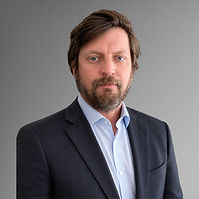
Gregory B. Gulliver
Partner · Registered Patent Attorney · Former Software Engineer
A former software engineer with nine years of industry experience, Gregory has prepared and prosecuted hundreds of applications involving wireless communications, software, computer hardware, semiconductors, and network technologies.
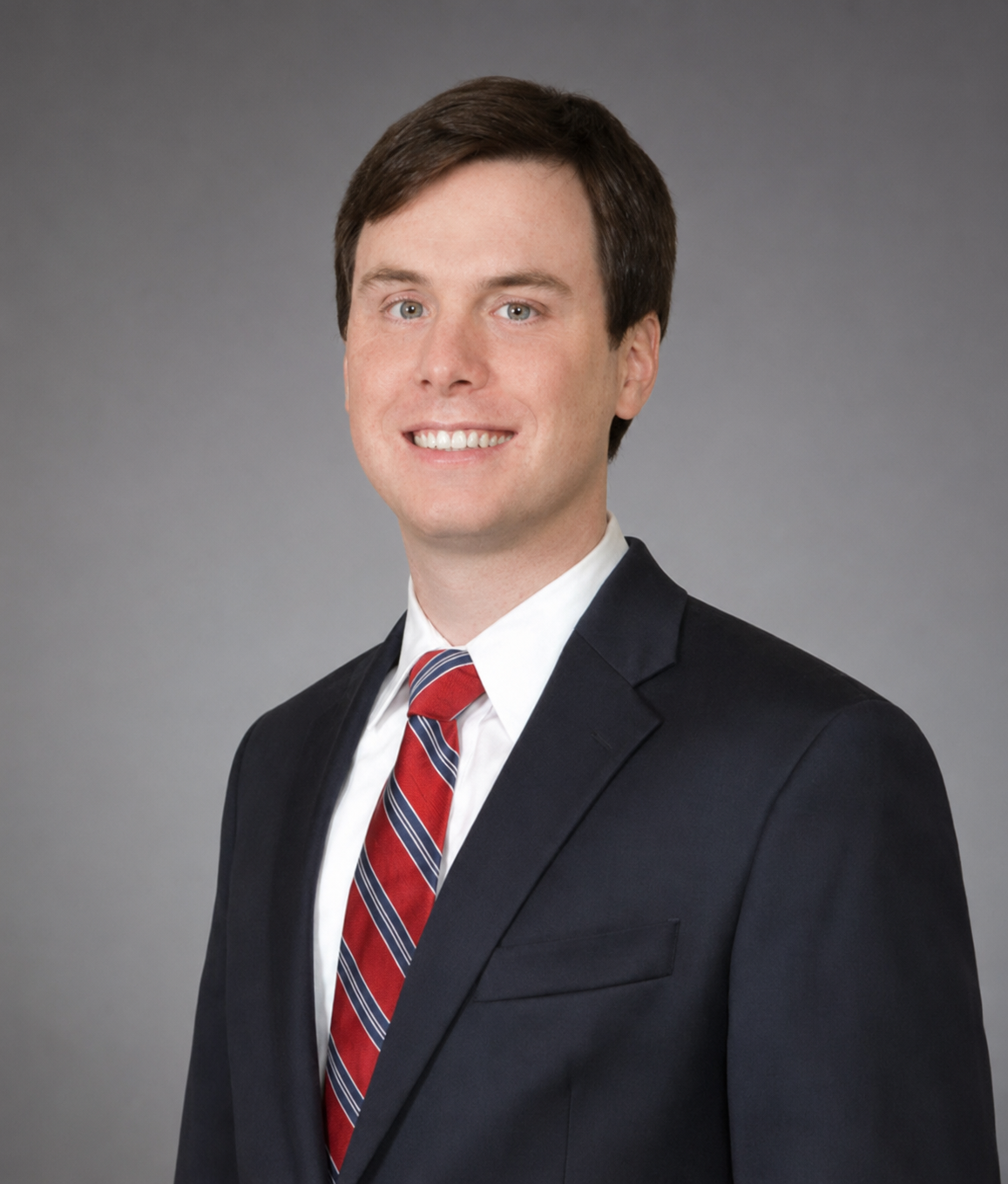
Brandon R. Theiss
Partner · Registered Patent Attorney · Licensed Professional Engineer
A licensed professional engineer and former industrial-control and medical-device engineer, Brandon advises on patent prosecution, § 101 strategy, portfolio development, and post-grant proceedings involving AI, software, cloud systems, medical devices, and automation.
James B. Hatten
Senior Counsel · Registered Patent Attorney · Computer Engineering
A computer engineer and registered patent attorney, James advises on prosecution and IP risk involving software platforms, computer architecture, telecommunications, networking, electronic payments, and identity-verification technologies.

Scott D. Paul
Partner · Registered Patent Attorney · Materials & Mechanical Engineering
A materials and mechanical engineer, Scott has prosecuted more than 2,000 U.S. applications, drafted more than 600 applications, and filed more than 1,000 PTAB appeal briefs involving AI, semiconductors, cloud systems, medical devices, and advanced manufacturing.

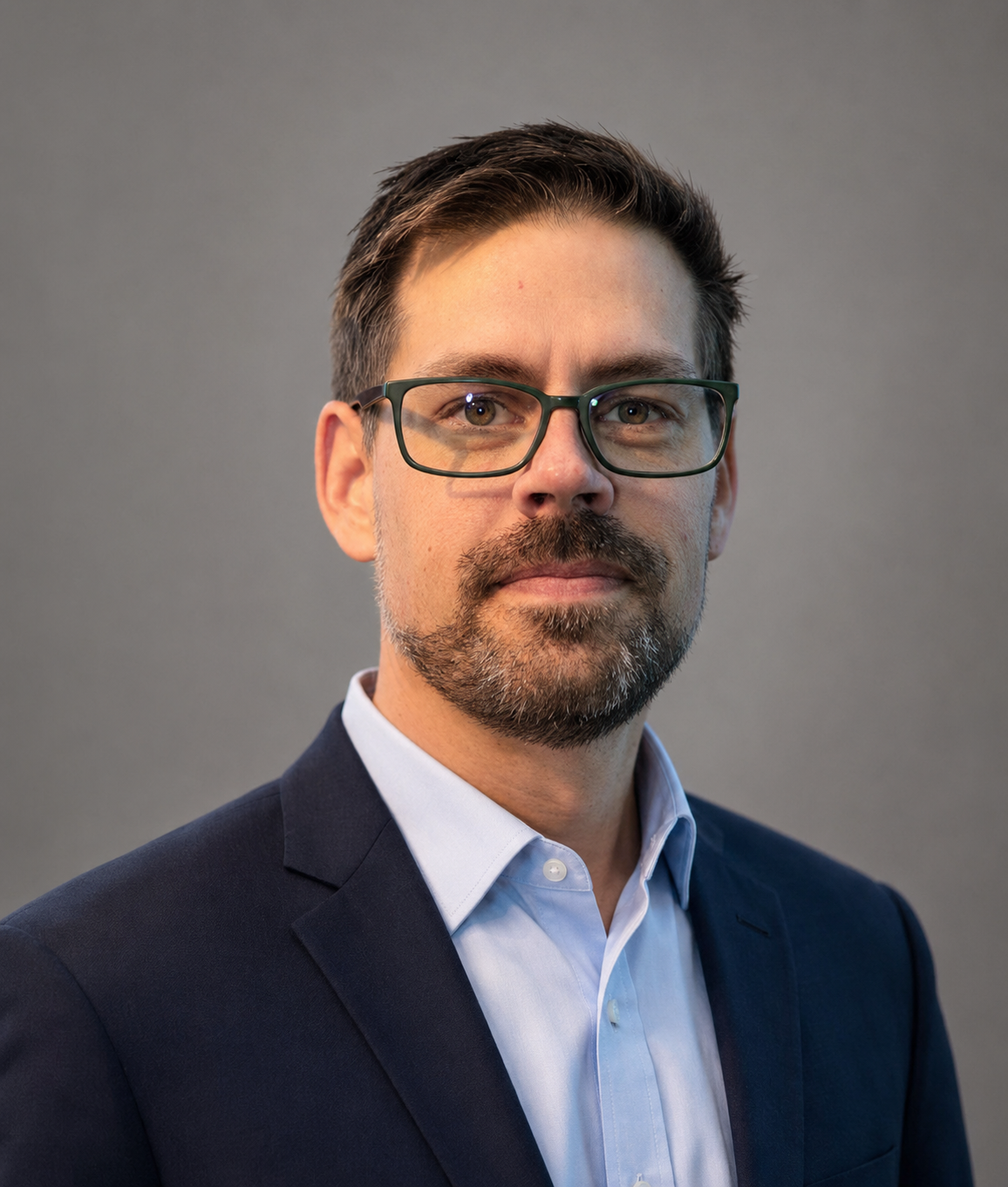
Robert Hyun Chang
Of Counsel · Registered Patent Attorney · Materials Engineer
A registered patent attorney with more than 25 years of intellectual-property experience and degrees in metallurgical and materials science engineering and physics, Robert helps technology companies draft and prosecute U.S. patent applications, build and monetize portfolios, and develop claim and licensing strategies grounded in complex technology and commercial objectives.

Related Publications & Insights
Related Divergent Patent Law Blog Articles


Get In Touch
Whether you are developing a new patent portfolio, transferring existing prosecution work, preparing for a product launch, or responding to a challenge against an issued patent, we would welcome the opportunity to discuss your objectives.
Please do not include confidential information in an initial inquiry. An attorney-client relationship is formed only through a written engagement agreement.